You built the team. Nobody built the operating layer.
When that's missing, talented people duplicate effort and contradict each other. Decisions land back on the founder. Nothing ships at the speed it should.
I embed in early-stage companies to build the product and operating function alongside the team, in the room while the work is happening. I build product myself, so I know what breaks between a decision and a shipped feature. Not a report handed off at the end.
The organizations that need this most are built to explore, not ship. The product function, the operating model, the technical layer, the way leadership makes decisions. None of it was designed for what comes next, and the transition rarely has a clear owner. That's the work.
Most of this gets treated as a structure problem. It isn't. You can redesign every process and still watch it stall, because the real question is whether people move with the change. I build the operating model and stay with the team while they adopt it.
In their words
Voice went through major organizational change in a compressed period: a full restructuring into engineering pods, leadership turnover at the executive level, and a strategic pivot that reoriented what we were building. My engineering team felt all of it.
When structure, leadership, and product direction are all shifting, engineers lose their footing. They need to know what they're building toward and why it matters. Stephen gave us that.
He led the operating model redesign, guided the leadership transitions, and identified the strategic direction that drove the pivot. My team stayed effective through every one of those changes. He can hold the structural and human dimensions at the same time. That's what makes the change stick.
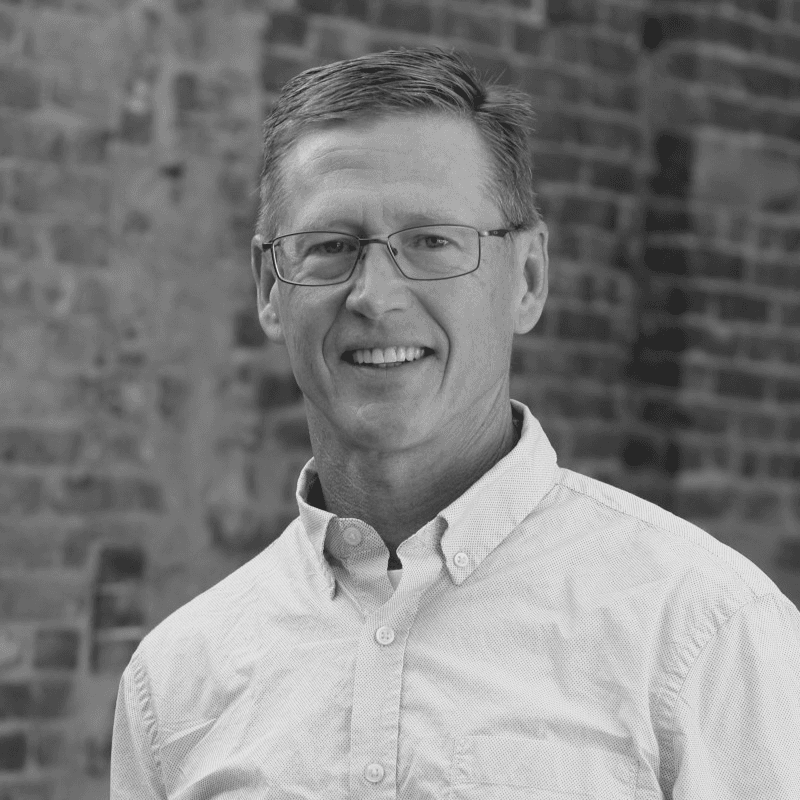
Brian Walter
VP Engineering, Voice
Organizations I've worked with









In their words
Stephen came into Vaulta during a fundamental shift: the decision to move from funding ecosystem development to building the product ourselves. We were moving into new territory.
That meant building the product, program, and engineering processes from scratch: how to define ownership, gather inputs from across the organization, sequence priorities, and create a delivery model that could actually ship. He built all of that while we were already in motion. No drama, no friction, just clarity and forward motion.
Ted Cahall
Former CVP, Microsoft · 4x COO
I work directly with the people making the decisions. Here's how that typically starts.
For Founder-Led Teams
Early teams need operators, not advisors.
Most consultants tell you what to build. They leave before the hard decisions land. I stay through them.
In one engagement, three executives believed they owned product decisions. No one formally did. Roadmap debates stalled weekly. Clarifying decision rights eliminated that friction immediately.
The operating and product function gets built while you're building the company.
For Investment Funds
Your portfolio companies have the team. They're missing the operating layer.
Most funds can name the symptom. Fewer have someone to put in the room. Not because it isn't valued. Portfolio support is built to be horizontal. One person covering thirty companies can advise. They can't embed.
AI changed the urgency. Teams are hitting coordination failure at fifteen people that used to surface at fifty. The operating model breaks earlier, and leaving it broken compounds faster.
I come in as a fund introduction. The contract is with the portfolio company, not the fund. The CEO gets an embedded operator. The fund gets a company that can execute.
Behind the Work
The problems that stall early companies don't stay in one lane. The work that fixes them can't either.
- ·Led product and operating transformations inside regulated finance and blockchain infrastructure.
- ·Designed product experiences and built the software to ship them.
- ·Coached technical founders through decisions that had no clean answer.
- ·Spent years studying how people actually decide, coordinate, and change under pressure.
- ·Built communities and live experiences, where coordination and trust are the entire product.
Different domains, one recurring question: whether a group of people can coordinate, decide, and trust each other enough to ship. Reading which layer is actually stuck is most of the job.
The Four Domains
These aren't problems that appear at scale. They're present from day one.
Market & Problem Clarity
Are you solving the right problem, or the one you've always been solving?
Strategic Focus
Are your priorities actually sequenced, or just listed?
Organizational Design
Does everyone know who owns what, or is it assumed?
Leadership Leverage
Is leadership running the organization, or is the organization running leadership?
Get these right and execution gets easier. Let them drift and every decision takes longer than it should.
Read the full approachThe operating layer doesn't build itself. Start the conversation and see if there's a fit.
Book a call